

In
today’s fast-paced world, technology has become deeply woven into everyday life. From smartphones and laptops to online streaming and remote work, the digital age has transformed how people communicate, work, and entertain themselves. While technology offers convenience and efficiency, it also encourages long hours of sitting, reduced physical movement, and increased stress. For this reason, maintaining health and fitness in the digital era has become more important than ever. With the right habits, it is possible to enjoy digital advancements while still taking good care of the body and mind.
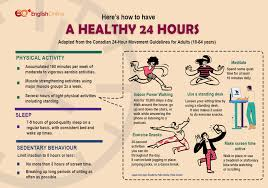
One of the most effective strategies for staying fit is incorporating regular physical activity into the daily routine. Prolonged sitting is one of the major consequences of working online, studying digitally, or spending leisure time at a screen. This can lead to poor posture, muscle stiffness, back pain, and reduced energy levels. To avoid these issues, it is helpful to take short breaks every 30 to 60 minutes to stand, stretch, or move around. Simple activities like walking around the room, climbing stairs, or doing quick exercises can boost blood circulation and refresh the body. Scheduling a daily workout, such as jogging, cycling, yoga, or strength training, can also help maintain physical fitness even in a technology-driven lifestyle.
Nutrition plays a critical role in staying healthy in the digital age. Many people fall into the habit of consuming processed or fast foods while working long hours in front of screens. Healthy eating, however, gives the body the energy and nutrients it needs to function well. A balanced diet consisting of vegetables, whole grains, fruits, lean protein, and healthy fats supports physical strength and mental clarity. Drinking enough water throughout the day is equally important, as dehydration can cause fatigue, headaches, and difficulty concentrating. Preparing meals ahead of time and practicing mindful eating can prevent overeating and encourage healthier food choices.
Adequate sleep is another essential part of staying fit. Digital devices often disrupt sleep patterns, especially when used late at night. Blue light from screens can interfere with the body’s natural sleep cycle, making it harder to fall asleep. Establishing a digital curfew, such as turning off screens at least one hour before bedtime, can help create healthier sleep habits. A consistent sleep schedule improves mood, concentration, immunity, and overall health.

Mental well-being is just as important as physical health. The digital world exposes people to constant notifications, messages, and information, which can become overwhelming. Setting digital boundaries, such as limiting social media use and turning off unnecessary notifications, can help reduce stress. Practicing relaxation activities like deep breathing, meditation, reading, spending time outdoors, or engaging in a hobby supports mental balance. Regular social interaction with family and friends also plays an important role in emotional wellness.
In the digital age, proper posture is another issue that deserves attention. Many individuals spend long hours hunched over keyboards or mobile screens, leading to neck pain, eye strain, and spinal issues. Maintaining an ergonomic workspace, adjusting desk height, choosing a supportive chair, and keeping screens at eye level can help prevent posture-related health problems. Eyes also need care, as extended screen exposure can lead to dryness, headaches, and blurred vision. Following the 20-20-20 rule—every 20 minutes, look at something 20 feet away for 20 seconds—is a simple yet effective way to relax the eyes.

Staying fit in the digital age also means using technology wisely. Instead of being controlled by digital devices, individuals can use them to support healthier habits. Fitness trackers, workout apps, guided meditation programs, and online exercise classes can provide motivation and structure. Technology can also help track progress, set goals, and encourage accountability. When used mindfully, it becomes a tool for positive lifestyle improvement rather than a source of inactivity or stress.
In conclusion, maintaining health in the digital age requires balance, discipline, and mindful habits. Regular movement, healthy eating, sufficient rest, mental wellness practices, ergonomic posture, and conscious use of technology can help individuals stay strong and energized. The digital world offers many benefits, and with the right lifestyle choices, it is possible to enjoy its convenience without compromising physical and mental fitness.

The digital age has transformed how people work, communicate, and spend their leisure time. With smartphones, laptops, video streaming, gaming, and online meetings, much of modern life happens in front of screens. While technology brings convenience and efficiency, it also encourages sedentary habits, mental fatigue, and lifestyle imbalances. Staying healthy in the digital era requires adopting intentional habits that protect physical and mental well-being. With the right mindset and consistent practices, individuals can enjoy the advantages of modern technology without sacrificing their fitness and overall health. The following key points highlight effective health tips for staying fit in today’s digital world.
1. Prioritize Regular Physical Activity
One of the biggest challenges in the digital age is prolonged sitting. Hours spent at desks or on couches can lead to back pain, weak muscles, weight gain, and poor circulation. To counter this, regular physical activity is essential. Daily exercise such as jogging, walking, aerobics, dancing, strength training, or yoga helps maintain muscle strength, flexibility, and cardiovascular health. Even short bursts of movement throughout the day can make a difference. Taking a five-minute break every hour to stretch, walk, or do simple bodyweight exercises helps reduce stiffness and boosts energy levels. Consistency is key, and scheduling exercise into the daily routine ensures that fitness becomes a priority rather than an afterthought.
2. Follow Good Posture and Ergonomics
With increased reliance on computers and mobile devices, poor posture has become a widespread problem. Many people unknowingly hunch over screens for extended periods, leading to neck strain, shoulder pain, and spinal problems. Setting up an ergonomic workspace is crucial for preventing discomfort and long-term injury. The computer monitor should be at eye level, the chair should provide proper lower back support, and wrists should remain straight while typing. Keeping feet flat on the floor and shoulders relaxed helps maintain alignment. Additionally, performing stretching exercises throughout the day supports spinal health. Practicing posture awareness and investing in proper workstation setup can significantly improve comfort and productivity.
3. Maintain a Balanced and Nutritious Diet
Busy digital lifestyles often result in irregular eating patterns and reliance on fast or processed foods. People may snack mindlessly while working at their screens or skip meals due to lack of time. However, proper nutrition is essential for maintaining energy, concentration, and overall health. A balanced diet that includes fruits, vegetables, whole grains, lean protein, nuts, seeds, and healthy fats fuels the body with essential nutrients. Drinking enough water throughout the day also supports digestion, metabolism, and cognitive function. Meal planning or preparing food in advance can help avoid unhealthy choices. Eating without distractions and focusing on the flavors, textures, and portions of food also encourages mindful eating and prevents overeating.
4. Ensure Proper Sleep and Screen Discipline
Sleep is often disrupted in the digital age due to excessive screen time, especially before bedtime. Blue light from screens affects melatonin production and interferes with the sleep cycle, making it harder to fall asleep. Poor sleep can lead to fatigue, irritability, weakened immunity, and reduced productivity. Establishing a digital curfew—turning off screens at least one hour before bed—helps the brain relax and prepare for rest. Creating a calm sleep environment, maintaining a consistent bedtime routine, and avoiding heavy meals at night also promote restful sleep. Activities such as reading, journaling, meditation, or listening to calming music can replace late-night scrolling and contribute to better sleep hygiene.
5. Manage Stress and Protect Mental Well-Being
Digital overload contributes to mental exhaustion, stress, and emotional strain. Constant notifications, online comparison, and information saturation can overwhelm the mind. To maintain mental health, it is important to set boundaries with technology. Turning off unnecessary notifications, limiting social media use, and taking device-free breaks throughout the day help reduce digital pressure. Engaging in relaxing activities such as deep breathing, meditation, nature walks, or creative hobbies improves emotional balance and mental clarity. Maintaining real-world social connections with family and friends also provides valuable support and helps reduce feelings of isolation brought on by excessive digital engagement.
6. Protect Eye Health with the 20-20-20 Rule
Long hours of screen exposure can strain the eyes, causing dryness, blurred vision, headaches, and discomfort. The 20-20-20 rule offers a simple solution: Every 20 minutes, look at something 20 feet away for 20 seconds. This helps relax the eye muscles and prevents fatigue. Adjusting screen brightness to a comfortable level, blinking often, and sitting at a proper distance from the screen also support eye health. Using artificial tears or humidifiers may help reduce dryness in air-conditioned environments.
7. Use Technology Wisely as a Fitness Tool
While technology can contribute to sedentary habits, it can also be a powerful supporter of a healthy lifestyle. Fitness trackers, step counters, workout apps, calorie monitors, online exercise sessions, and health reminders help individuals set goals and track progress. Virtual fitness classes and digital workout programs make exercise accessible anytime and anywhere. When used intentionally, technology can motivate healthier habits rather than hinder them.

Conclusion
Staying fit in the digital age is all about balance and mindful habits. Technology itself is not the problem; how it is used determines its impact on health. Incorporating regular movement, maintaining good posture, eating a nutritious diet, managing stress, getting adequate sleep, protecting eye health, and using technology positively can help individuals remain strong and healthy in the modern world. With conscious choices and commitment, it is possible to enjoy the advantages of digital life while maintaining physical, mental, and emotional well-being.
