

Maintaining proper nutrients in the body is essential for overall health, energy, immunity, and growth. Nutrients support every function of the body, from producing energy and protecting cells to repairing tissues and supporting mental well-being. However, in today’s fast-paced lifestyle, many people struggle to consume a balanced diet rich in vitamins, minerals, proteins, healthy fats, and essential carbohydrates. Understanding how to maintain adequate nutrients is necessary for leading a healthy and active life.
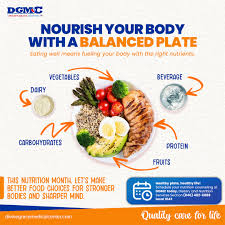
Understanding the Importance of Nutrients
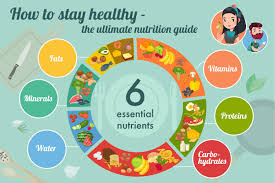
The human body needs a variety of nutrients to function properly. These nutrients include macronutrients like carbohydrates, proteins, and fats, as well as micronutrients such as vitamins and minerals. Carbohydrates provide energy, proteins build muscles and tissues, fats support brain and heart function, while vitamins and minerals regulate chemical reactions, immunity, and cell development. If any of these components are lacking, the body may experience fatigue, weakness, low immunity, and other health complications. Therefore, maintaining a nutrient-rich diet is not only about eating enough food but also ensuring that the food contains the right elements.
Eating a Balanced and Varied Diet
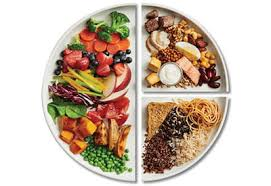
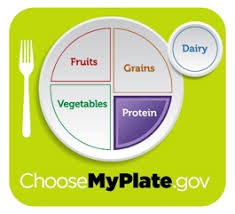
One of the key ways to maintain nutrients in the body is by consuming a balanced and varied diet. A healthy plate should include whole grains, colorful vegetables, fresh fruits, lean proteins, nuts, seeds, and dairy or dairy alternatives. This variety ensures that the body receives nutrients from multiple sources, reducing the risk of deficiencies. Whole grains provide fiber and B-vitamins, while fruits and vegetables are high in antioxidants and minerals. Lean proteins such as fish, chicken, and legumes offer essential amino acids, and healthy fats from nuts and olive oil support cardiovascular health. Eating different types of foods every day improves nutrient absorption and keeps the body functioning efficiently.
Key Points
- Include whole grains, vegetables, fruits, proteins, and healthy fats in your daily meals
- Avoid eating the same limited foods every day
- Ensure meals contain a mix of both macronutrients and micronutrients
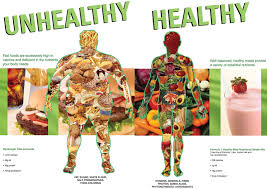
Limiting Processed and Junk Foods
Many processed and packaged foods contain high levels of sugar, salt, and unhealthy fats while being low in essential nutrients. Consumption of such foods regularly can lead to nutrient deficiencies even when caloric intake seems sufficient. Fast foods, sugary snacks, sodas, and deep-fried items may provide instant satisfaction but fail to nourish the body. Over time, they can damage metabolism, increase weight gain, weaken digestion, and affect immunity. Replacing processed foods with fresh home-cooked meals is an effective way to improve nutrient intake.
Ensuring Proper Cooking Methods
Many people do not realize that nutrients can be lost during cooking. Over-boiling vegetables, deep frying, or cooking at high temperatures can reduce the vitamins and minerals in food. Using gentler cooking methods, such as steaming, sautéing, or baking, helps preserve nutrients. Eating raw fruits and salads also ensures that the body receives natural enzymes and vitamins that support digestion and overall health. Storing vegetables properly, avoiding excessive rinsing, and not cutting them too early before cooking also help maintain nutrient value.
Key Points
- Use cooking methods like steaming, grilling, and light sautéing
- Avoid overcooking vegetables to prevent nutrient loss
- Consume some fruits and vegetables raw for maximum benefits
Staying Hydrated
Water plays a major role in nutrient absorption and transportation throughout the body. Without sufficient hydration, digestion becomes slow and the body struggles to move nutrients to cells. Drinking 7–8 glasses of water daily helps maintain electrolyte balance, supports metabolism, and improves the efficiency of nutrient utilization. Coconut water, herbal teas, and seasonal fruit juices in moderate amounts can also support hydration.
Supporting Gut Health
The digestive system plays a crucial role in breaking down food and absorbing nutrients. If the gut is unhealthy, even a nutritious diet may not provide full benefits. Consuming probiotics found in foods like yogurt, buttermilk, fermented vegetables, and cottage cheese promotes healthy gut bacteria. Including fiber-rich foods such as whole grains, fruits, vegetables, and legumes helps improve digestion and bowel movement. Reducing stress and staying physically active also support gut health and improve nutrient absorption.
Key Points
- Include probiotic-rich foods for better digestion
- Take fiber-rich foods to support bowel movement
- Maintain a healthy lifestyle to improve nutrient uptake
Considering Supplements When Necessary
Although natural foods are the best source of nutrients, sometimes supplements may be needed due to lifestyle factors, poor diet, or medical conditions. Vitamin D, calcium, iron, or omega-3 supplements may be recommended if a deficiency is diagnosed. However, supplements should only be taken under professional advice, as excessive intake may harm the body.
Regular Health Checkups
A healthy and nutrient-rich lifestyle also requires regular checkups. Blood tests can identify early deficiencies of vitamins and minerals, allowing timely treatment. Monitoring health indicators helps in preventing fatigue, anemia, bone weakness, and other long-term problems caused by nutrient imbalance.
Conclusion
Maintaining proper nutrients in the body is essential for energy, growth, immunity, and overall well-being. Eating a balanced and varied diet, minimizing processed foods, cooking wisely, staying hydrated, supporting gut health, and taking supplements when needed are key strategies to ensure strong nutritional health. With mindful eating and healthy habits, the body can function efficiently and remain active, energetic, and disease-resistant throughout life.
