In today’s fast-paced world, maintaining good mental health has become just as important as taking care of our physical well-being. While therapy, social support, and proper rest play essential roles, one tool consistently stands out for its powerful impact on mental wellness: exercise. Physical activity is not just about building muscles or improving cardiovascular health—it is a scientifically backed way to enhance mood, reduce stress, and promote overall emotional balance.
Below is an 800-word article that explores how exercise boosts mental health, along with key points to highlight these benefits.

The Mind–Body Connection
Exercise stimulates the body to produce chemicals like endorphins, dopamine, and serotonin—often referred to as “feel-good hormones.” These chemicals reduce feelings of pain, enhance pleasure, and help regulate mood. This mind–body connection explains why even a short walk or stretching session can significantly improve your emotional state.
Furthermore, physical activity reduces levels of the body’s stress hormones, such as cortisol and adrenaline. This creates a healthier internal environment, making it easier to manage daily challenges and emotional triggers.
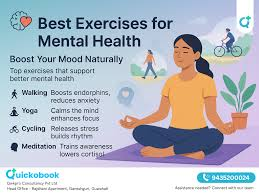
Reducing Stress and Anxiety
One of the most well-known mental health benefits of exercise is its ability to reduce stress and anxiety. When you are physically active, your brain increases its intake of oxygen and blood flow. This process promotes a sense of calmness and relaxation.
Exercise also gives you something known as “active distraction.” Instead of dwelling on stressful thoughts, physical movement shifts focus to the body, breathing, and the activity itself. Over time, this can reduce anxiety symptoms and help people better manage stressful situations.
Activities such as yoga, swimming, and jogging are particularly effective because they combine rhythmic movement with mindful breathing, creating a natural form of meditation.

Improving Mood and Emotional Well-Being
People who exercise regularly often report improvements in mood and outlook. This is not just a temporary boost; research shows that consistent physical activity can help reduce symptoms of depression.
Regular exercise increases levels of serotonin, a key neurotransmitter that influences mood. It also promotes the growth of new brain cells in areas responsible for emotional regulation. This process, known as neurogenesis, helps the brain function more efficiently and adapt to stress more effectively.
Even low-impact activities—like walking, dancing, or cycling—can significantly lift your mood when done consistently.
Building Confidence and Self-Esteem
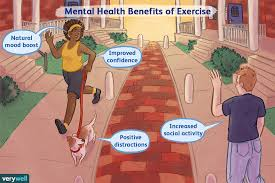
Exercise provides a sense of accomplishment. Whether you complete a 20-minute workout, master a new yoga pose, or reach a personal fitness goal, you reinforce your belief in your own abilities. This sense of achievement boosts self-esteem, which plays a vital role in mental health.
Physical changes, such as improved posture, strength, and energy levels, also enhance how you feel about yourself. Over time, these positive changes help foster a healthier self-image.

Enhancing Sleep Quality
Quality sleep is essential for good mental health, and exercise is one of the most effective natural sleep aids. Physical activity helps regulate your internal clock and reduces symptoms of insomnia.
When you exercise, your body releases energy and increases core temperature. Afterward, as your temperature drops, your body naturally prepares for rest. This makes it easier to fall asleep and stay asleep, allowing your mind to recover from daily stressors.
Boosting Cognitive Function and Focus
Exercise does not only affect emotions—it improves how your brain works. Regular physical activity enhances memory, concentration, and decision-making.
Exercise increases blood flow to the hippocampus, a brain region involved in learning and memory. It also stimulates the release of growth factors that help protect and repair brain cells. As a result, people who exercise often find it easier to focus, stay productive, and maintain mental clarity throughout their day.
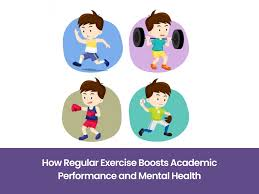
Creating Social Connections
Social interaction is another important element of mental wellness. Group activities like sports, fitness classes, or even walking with friends provide opportunities to build relationships and reduce feelings of loneliness.
These social experiences can boost motivation, create accountability, and improve overall emotional health. Sharing goals and progress with others enhances your sense of community and belonging.
How Much Exercise Is Enough?
You don’t need intense workouts to experience mental health benefits. Experts recommend:
- 150 minutes of moderate exercise per week (such as brisk walking)
- or 75 minutes of vigorous activity (like running or high-intensity workouts)
- plus 2–3 days of strength training
Even 10–15 minutes of daily movement can make a noticeable difference in mental well-being, especially for beginners.

Key Points
- Exercise boosts feel-good hormones like endorphins, dopamine, and serotonin.
- Physical activity reduces stress and anxiety levels.
- Regular movement improves mood and reduces symptoms of depression.
- Exercise builds confidence and enhances self-esteem.
- It improves sleep quality and helps regulate the body’s natural rhythms.
- Physical activity enhances focus, memory, and cognitive function.
- Group exercise supports social connection and reduces loneliness.
- Even small amounts of consistent activity can positively impact mental health.
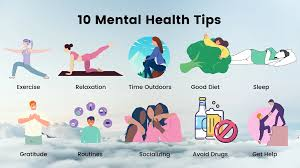
Conclusion
Exercise is a powerful and accessible tool for enhancing mental health. Whether you prefer walking, dancing, yoga, or strength training, incorporating movement into your routine can significantly improve your emotional balance and overall well-being. By making physical activity a regular part of your life, you not only strengthen your body but also nurture your mind—creating a healthier, happier future.